
What Is a Holistic Dentist?
Holistic dentistry is having a moment, and it makes sense why. People are done treating their mouths like an isolated department- separate from the rest of their body, ignored until something hurts. That is starting to change.
I have spent over twenty years in wellness, with a biology degree underneath it, and I have watched this shift happen firsthand. My own interest in holistic dentistry started during COVID, when I found Dr. Leedia Riman, a holistic, biological dentist who changed what "healthy teeth" meant to me beyond no cavities and a good cleaning. This is not medical advice, just what I have learned as a patient and as someone who researches health for a living. Always make dental decisions with a qualified provider, not a blog post.
What Is a Holistic Dentist?
A holistic dentist, also called a biological dentist, treats oral health in the context of your overall health rather than as an isolated system. They ask not just whether a tooth has a problem but what dental materials, procedures, and infections might mean for the rest of your body.
This is often called the oral systemic connection, and it is not fringe. Harvard Health has reported that people with gum disease face roughly two to three times the risk of a serious cardiovascular event compared to people with healthy gums. Researchers find that chronic inflammation and oral bacteria entering the bloodstream are likely contributors. A holistic dentist starts from that premise: the mouth is connected to overall health, not a room down the hall from it.
Traditional dentists learn the same biology in dental school and mostly agree the two are connected. Holistic dentistry diverges in how far that principle gets applied, and how cautious a dentist is about materials and procedures.
What Does A Holistic Dentist Do Differently?
Holistic and biological dentistry is not one rulebook. It is a philosophy that shows up in a few consistent places.
Prevention First
Prevention is the backbone of holistic dentistry. A holistic dental office spends more time on diet, hygiene technique, and early intervention than on jumping straight to a drill. Brushing, flossing, and less sugar genuinely prevents tooth decay and gum disease, and traditional dentists agree. The difference is emphasis: holistic practices treat prevention as the primary tool, not the add-on.
Dental Materials
Holistic dentists are generally more selective about what goes into your mouth, including fillings, crowns, and anything metal. I think about this personally: metal placed into your face and teeth carries a frequency, and whether your body accepts that is worth asking. A holistic dentist walks you through material options rather than defaulting to whatever is fastest.
Amalgam and Mercury Fillings
This is what holistic dentistry is most known for. Amalgam fillings contain mercury, and many biological dentists avoid placing them or recommend replacing old ones.
The American Dental Association disagrees with routine removal, maintaining there is no well designed research linking amalgam to long-term health problems, and calling removal of a serviceable filling unwarranted.
This is the biggest evidence gap between the two camps, and I would rather say so than pretend it is settled.
Root Canals
Root canals are another area where holistic dentists tend to be more conservative, sometimes recommending extraction over a root canal or exploring every alternative first.
Mainstream dentistry generally views root canals as safe and effective at saving a natural tooth. This one is worth a direct conversation with your provider, since it depends on your tooth, your history, and your comfort with the tradeoffs.
I also think about teeth through a wider lens. In Chinese medicine, each tooth is linked to an organ or meridian, meaning a dental issue is not always just local damage; it can point elsewhere in the body, possibly connecting to emotional health as well as physical health. I am not calling that proven science. It is why I do not treat a tooth as an island.
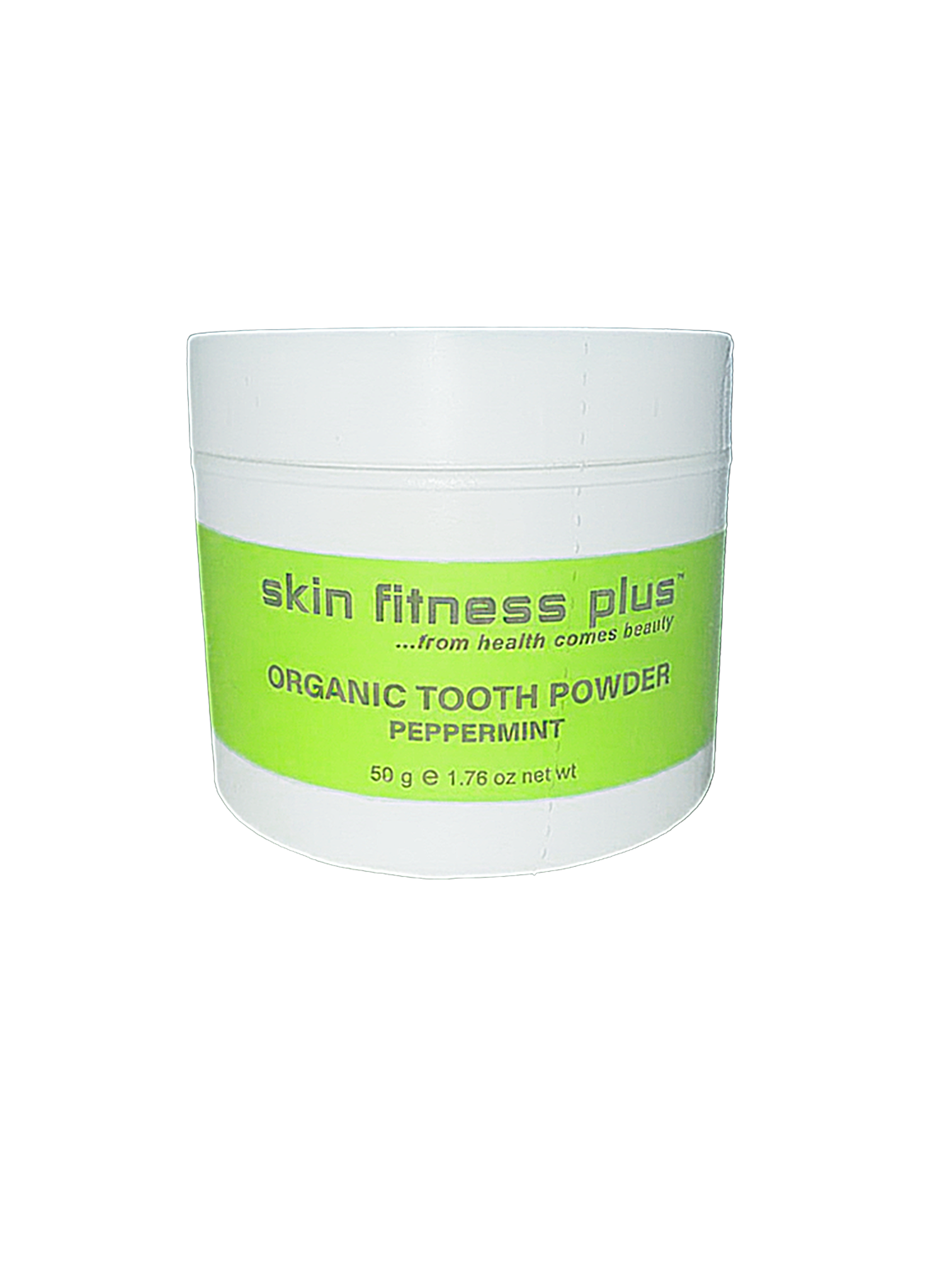
Instead of toothpaste- I LOVE this toothpowder!
Is Holistic Dentistry Backed by Science?
Here is the honest answer. Some holistic principles are firmly evidence based: prevention works, and the oral systemic link is real and actively studied, even if researchers are still sorting out exactly how gum disease and conditions like heart disease influence each other. Traditional and holistic dentists agree on both points.
The evidence gets thinner around specific interventions, like removing amalgam fillings from healthy teeth. Major bodies including the American Dental Association do not support removal absent a medical reason, and the FDA has said existing amalgam is generally safe for the general population.
I am giving you both sides so you can make an informed call with your provider.
Are Holistic Dentists More Expensive?
There is no honest blanket answer. Cost depends on the practice, location, and treatment. Some holistic dental materials and imaging cost more than the standard option, and services like detox protocols or specialty testing may not be covered by insurance at all. Ask upfront for a full cost breakdown, what insurance covers, and whether less expensive materials are available. A good office is transparent about this.
How To Find A Holistic Dentist
Treat this like hiring anyone important. Do your homework before you sit in the chair.
Check Qualifications and Experience
Look at where they went to dental school, how long they have practiced, and whether they have additional training in holistic dentistry. Experience matters more than a nice website.
Look For IAOMT Credentials
The International Academy of Oral Medicine and Toxicology, or IAOMT, is the main professional organization for biological dentistry. Credentials there signal real training, not just marketing language.
Ask About Treatment Philosophy
Ask how conservative they are, how they approach amalgam fillings, root canals, and prevention. Answers should be specific, not buzzwords.
Evaluate Communication Style
You want a dentist who explains dental issues clearly, answers questions without getting defensive, and does not pressure a decision in the same visit.
Understand The Cost Upfront
Ask for pricing and insurance information before you commit to a treatment plan, not after.
Weigh The Evidence Behind Their Recommendations
Ask what a recommendation is based on. A good holistic dentist explains their reasoning, tells you honestly where the science is strong or still developing, and respects that you get the final say.
My own dental story is part of why I care about this. While living in San Diego for a job, flying home to my Phoenix dentist felt excessive, so a friend recommended someone local. That dentist ran me through a new imaging machine and told me I had NINE cavities. NINE. I had never had a cavity in my life, so something felt off. I went back to my Phoenix dentist, who looked at me like I had grown a second head and said, "You don't have any." ZERO cavities.
That day taught me that finding an honest, conservative dentist matters as much as finding a good one, and it is a big part of why I lean holistic now.
That search for a conservative, whole-body approach is exactly where I am again. I was bucked off a horse when I was eleven, and by my twenties that injury led to a jaw joint replacement and metal put into my face. Decades later, I am finally digging into what that means for my bite. I am working through it with a gnathologist, since gnathology is literally the study of chewing and bite mechanics, and I will be sharing moreas it unfolds. If it leads to a good interview, you will see it here too.
Visit the blog for more posts: