
10 Best Non Toxic Toothpaste
Most people brush their teeth twice a day without ever flipping the tube over. I get it. Toothpaste is not exactly a sexy research project. And besides, you have minimal exposure, so what’s the big deal?
But I have spent years paying close attention to what is actually inside the products that touch my body twice a day or more, every single day, and toothpaste can’t be overlooked just because it’s small and boring.
Right now I use Dr. Hunter's organic tooth powder, and I am NEVER switching. Here is why… on flights from LA to Asia, the kind where you are on a marathon of travel- 20+ hours passes, you don’t know if it’s breakfast or dinner time.. and you feel like something fury is growing on your teeth…. BUT my teeth don’t get that fuzzy, furry feeling.
I also had a persistent fever as a baby that required an antibiotic, which demineralized my two front teeth and left visible white patches that I lived with for years. After brushing with her powder consistently, those patches have faded. I’m not a dentist, and I’m not promising that will happen for you. I AM, however, telling you it happened for me, and it is the reason I stopped shopping for toothpaste at all.
That said, not everyone is ready to trade a paste for a powder. It doesn’t foam as much as pastes do, so that can be a weird ‘association with cleanliness’ to overcome. But there is a real and growing interest in toothpaste with a simpler, more intentional ingredient list. The term ‘non toxic’ gets thrown around loosely. To one brand it might just mean fluoride free. To another it means the whole formula is stripped of harsh foaming agents, artificial colors, and preservatives.
I wanted to take a practical look at the toothpaste and tooth powder options that are worth knowing about, along with the ingredients that actually matter when you are comparing one tube to the next.
Most people never actually get to this comparison stage, though. You grow up with whatever tube was under your bathroom sink, and you just stay loyal to it. Colgate people stay Colgate people for life. And then there is Marvis, the influencer fashionista toothpaste - which has become its own kind of status symbol, that thick Italian toothpaste with the vintage looking box everyone's bathroom counter photo seems to feature. It looks clean. It’s NOT. Nearly every Marvis formula still runs on glycerin, sodium fluoride, titanium dioxide, and sodium lauryl sulfate SLS, the same ingredients this whole list is trying to help you avoid.
Popular and non toxic are not the same thing, and Marvis is a good example of exactly where those two things split.
One opinion before we get into the list. I think about oral health as connected to the rest of the body, not separate from it. Gum disease and an overgrowth of bad bacteria in the mouth do not stay contained to the mouth. That inflammation shows up as inflammation elsewhere, including in your skin and how you age. I also try to avoid glycerin when I can. It is often used to create that smooth, familiar paste texture, but I think of it as a sugar source that feeds the exact bacteria you are trying to starve out- think fuzzy tooth. Keep both of those in mind as you read through the list.
10 Best Non Toxic Toothpaste
Here are the ten I would actually put in your bathroom cabinet…
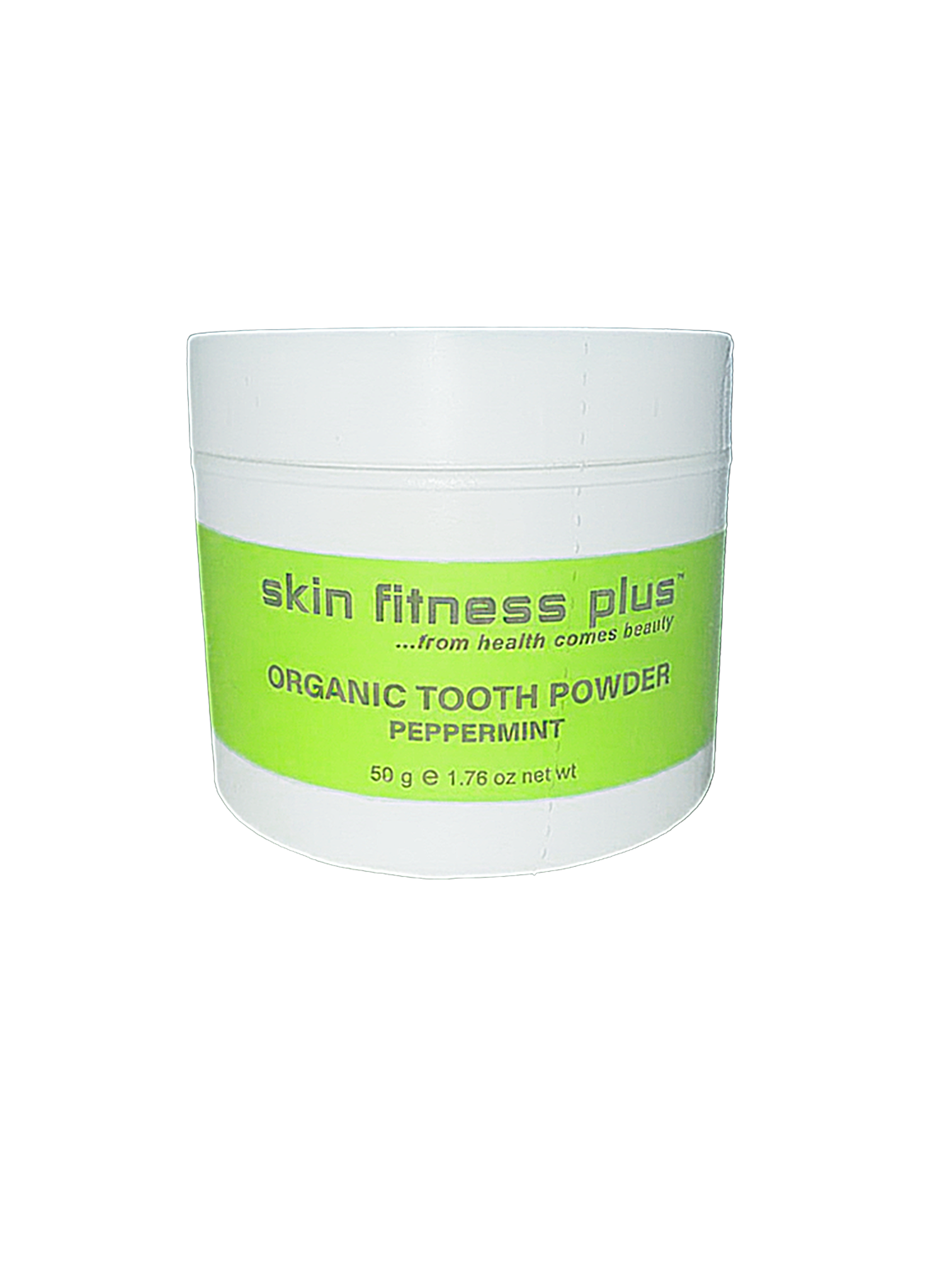
1. Dr. Hunter's Organic Tooth Powder
This is the one I actually use every day, so it gets top billing even though it is technically a powder, not a paste. Formulated by Dr. Julia Hunter, it skips water and foaming agents entirely. You get calcium carbonate for gentle cleaning, xylitol to encourage remineralization, and grey sea salt for trace minerals, all without a drop of glycerin. You wet your toothbrush, dip it into the jar, and brush like normal. It is a genuine adjustment if you have only ever used a paste, but if you are dealing with weakened or demineralized enamel, or you just want the shortest ingredient list possible, this is where I would start. Shop it here.
I pair it with a soft, flossing bristle toothbrush that does a lot of the work of getting the powder actually between your teeth instead of just around them. It is not fancy, no batteries, no app, just a better bristle design. Shop the toothbrush here.
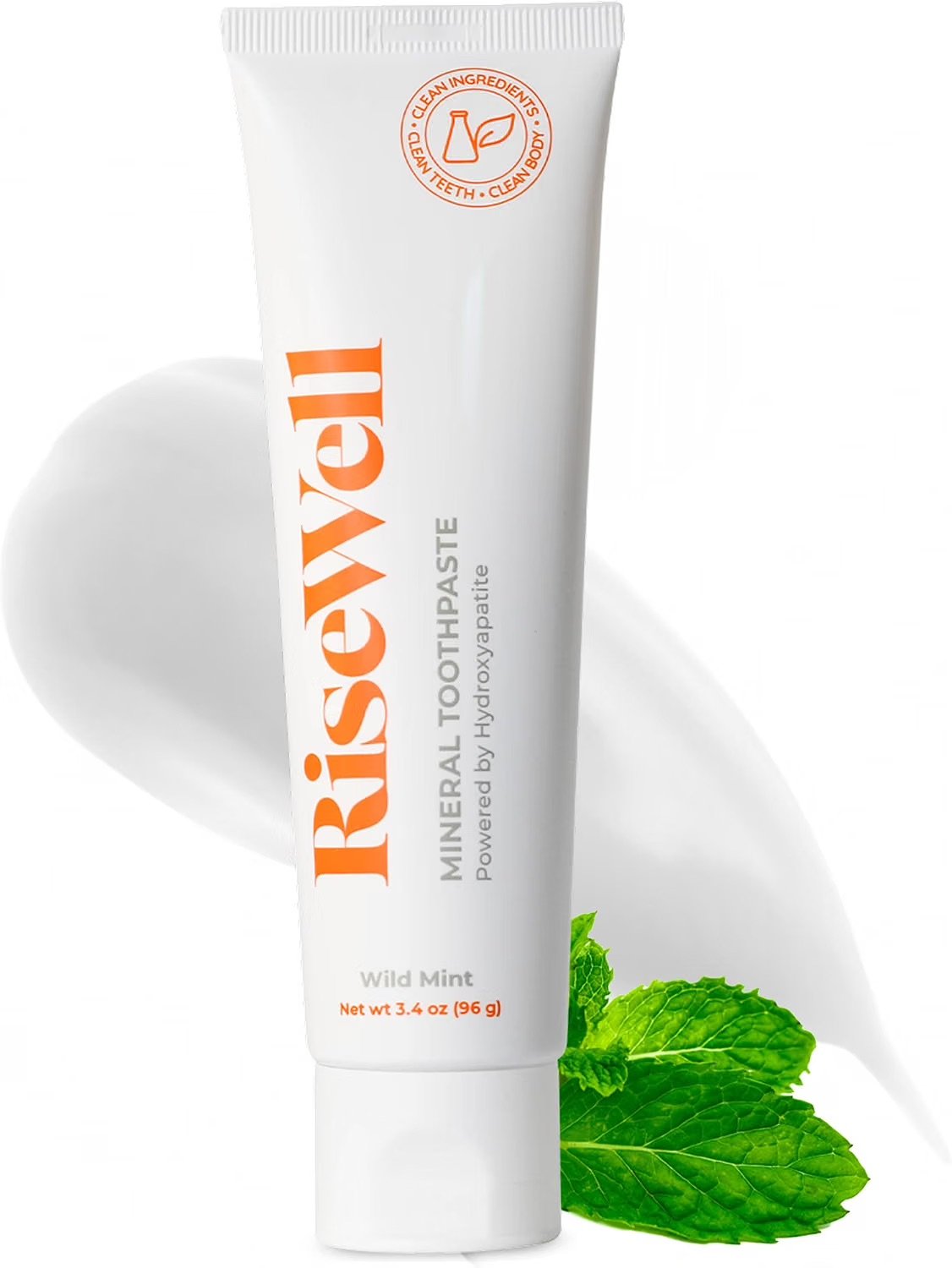
2. RiseWell Mineral Toothpaste
If you want the paste texture without giving up a hydroxyapatite based formula, RiseWell is the one I point people toward first. It swaps fluoride for nano hydroxyapatite, the same mineral that makes up most of your enamel, and it is mild enough for sensitive teeth and gums. It is a good bridge product if switching to a powder feels like too big a leap right now. Shop it here.
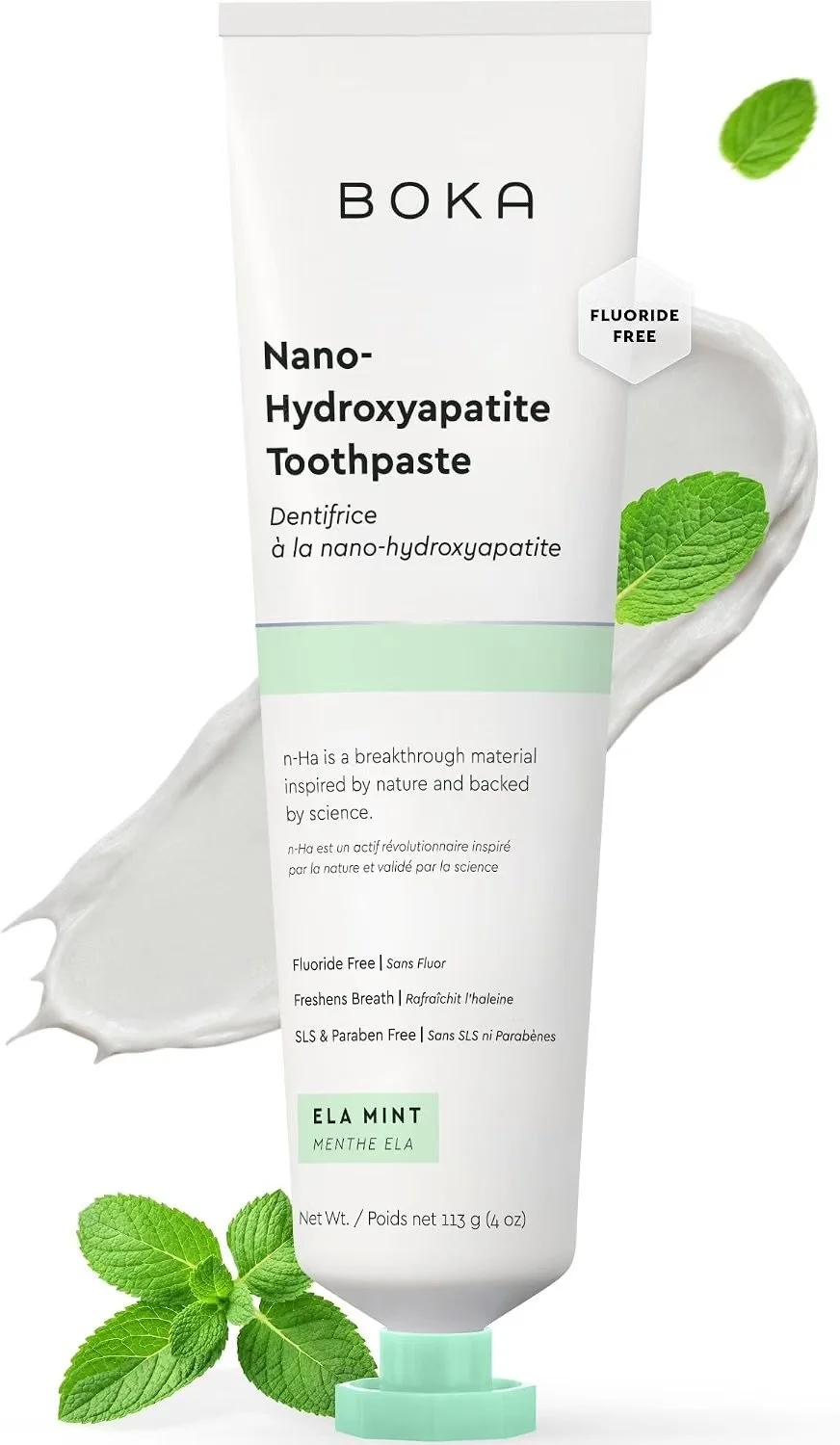
3. Boka Ela Mint Toothpaste
Boka runs around ten percent nano hydroxyapatite and swaps sodium lauryl sulfate SLS for a gentler foaming agent called sodium cocoyl glutamate, so you still get a paste that lathers without the harsh detergent. The cardamom mint flavor is polarizing. Some people love it, some find it strange. But it has built a loyal following among people who actually read ingredient labels, and it is an easy first swap from a mainstream tube.
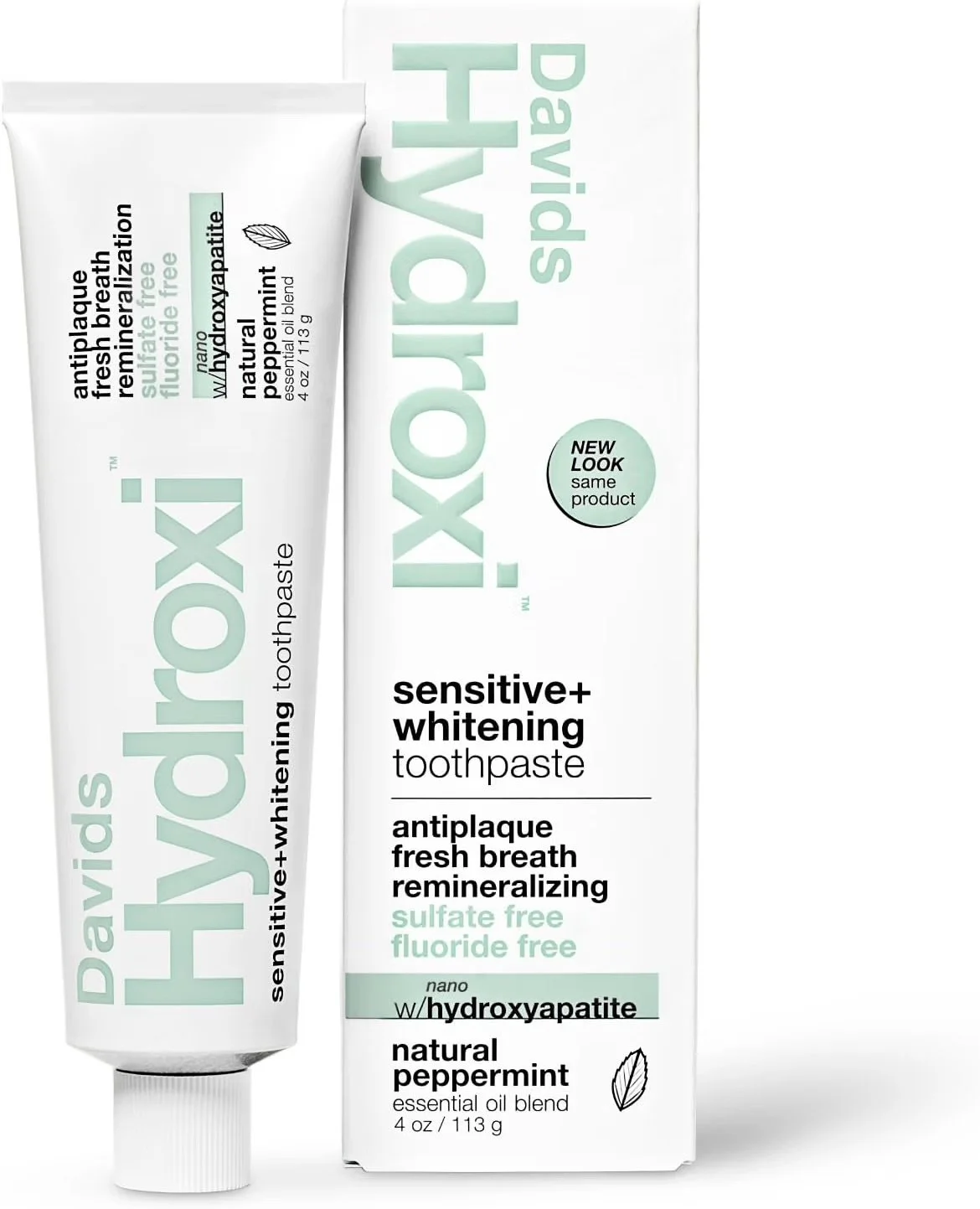
4. David's Premium Natural Toothpaste
David's comes in a recyclable metal tube and uses a nano hydroxyapatite formula alongside a mild, coconut derived surfactant instead of SLS. It shows up in regular grocery stores, which makes it one of the easiest starting points if you are new to fluoride free toothpaste and do not want to order something obscure online.
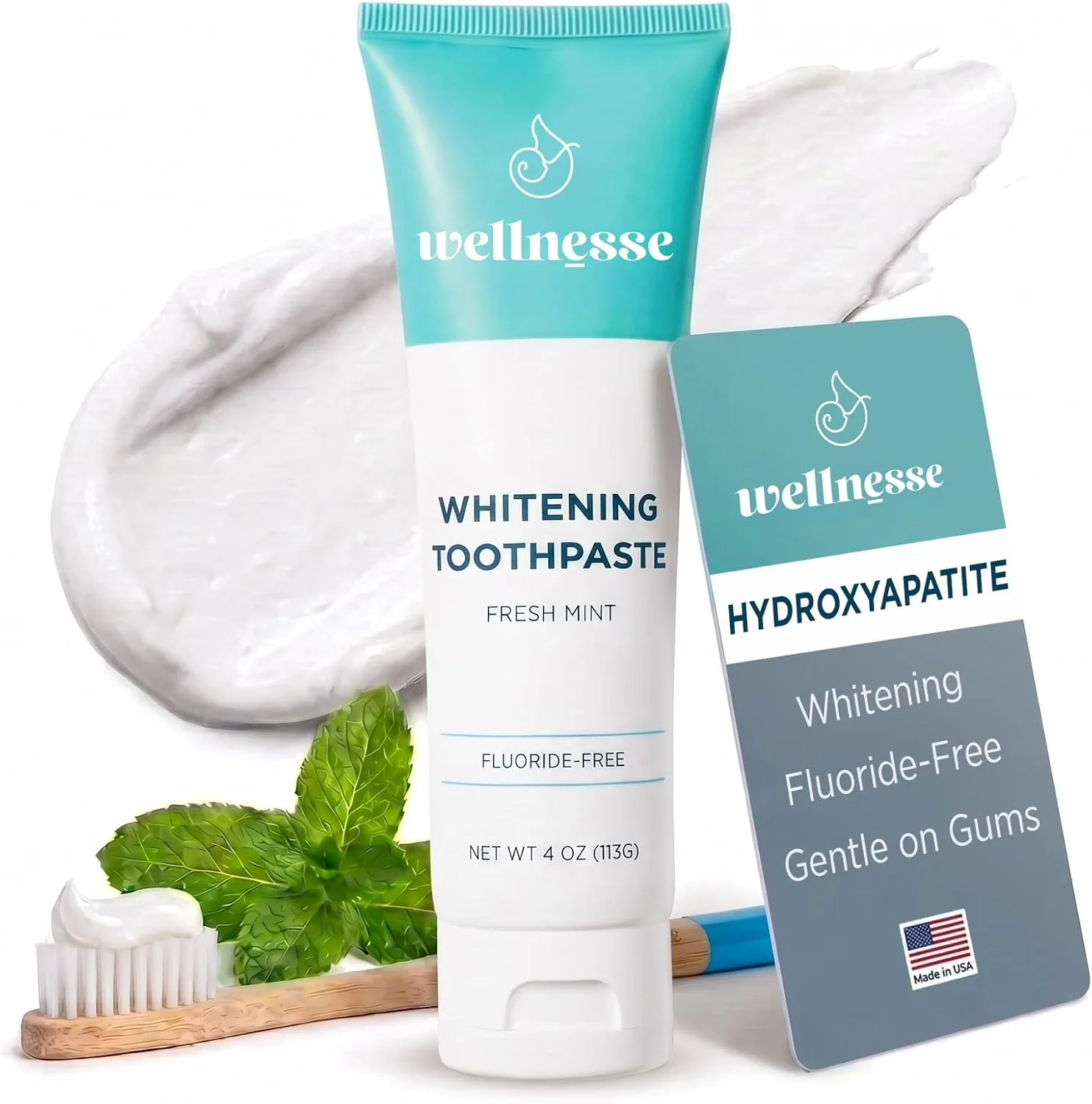
5. Wellnesse Whitening Toothpaste
Wellnesse checks two boxes most "clean" brands do not: it is fluoride free and glycerin free. Most natural brands still lean on glycerin for texture, so this one stands out. It uses a micro hydroxyapatite formula and is one of the more family friendly options on this list, with flavors mild enough for kids.
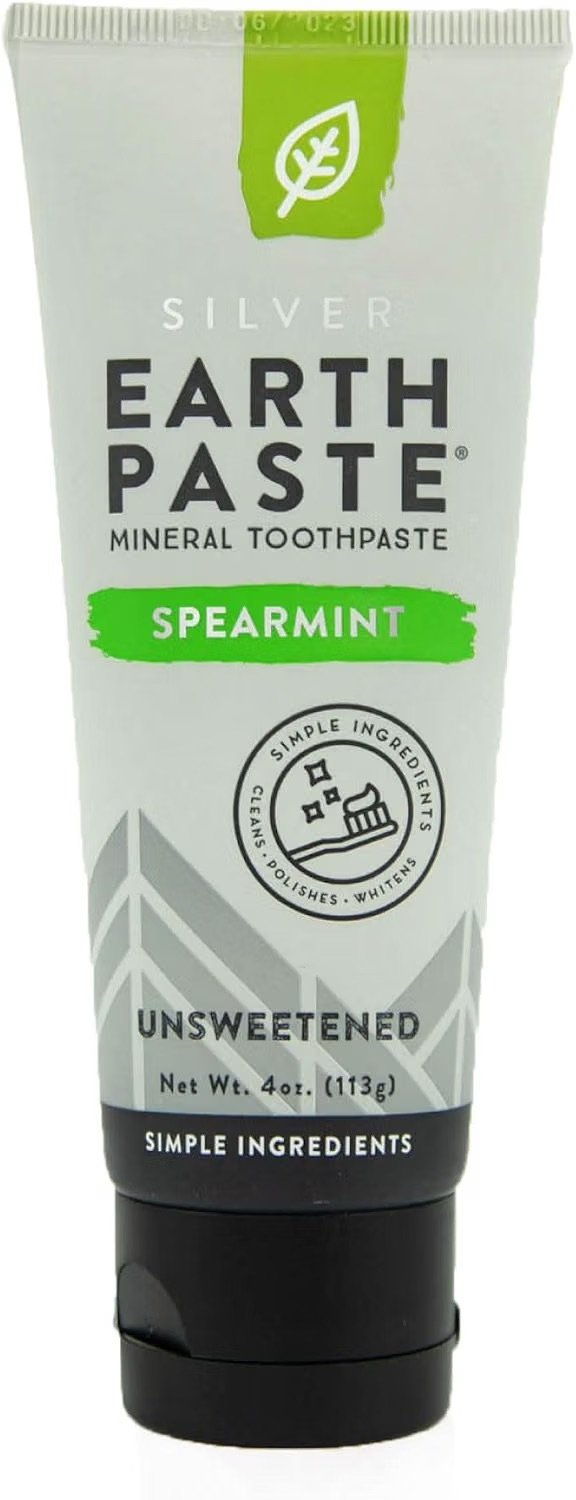
6. Earthpaste Natural Toothpaste
Earthpaste has been around since before "clean toothpaste" was a category, and it shows in how short the ingredient list is: water, bentonite clay, xylitol, sea salt, and essential oils, with nothing added just to make it foam or taste sweeter than it needs to. If you want the absolute minimum, this is it.
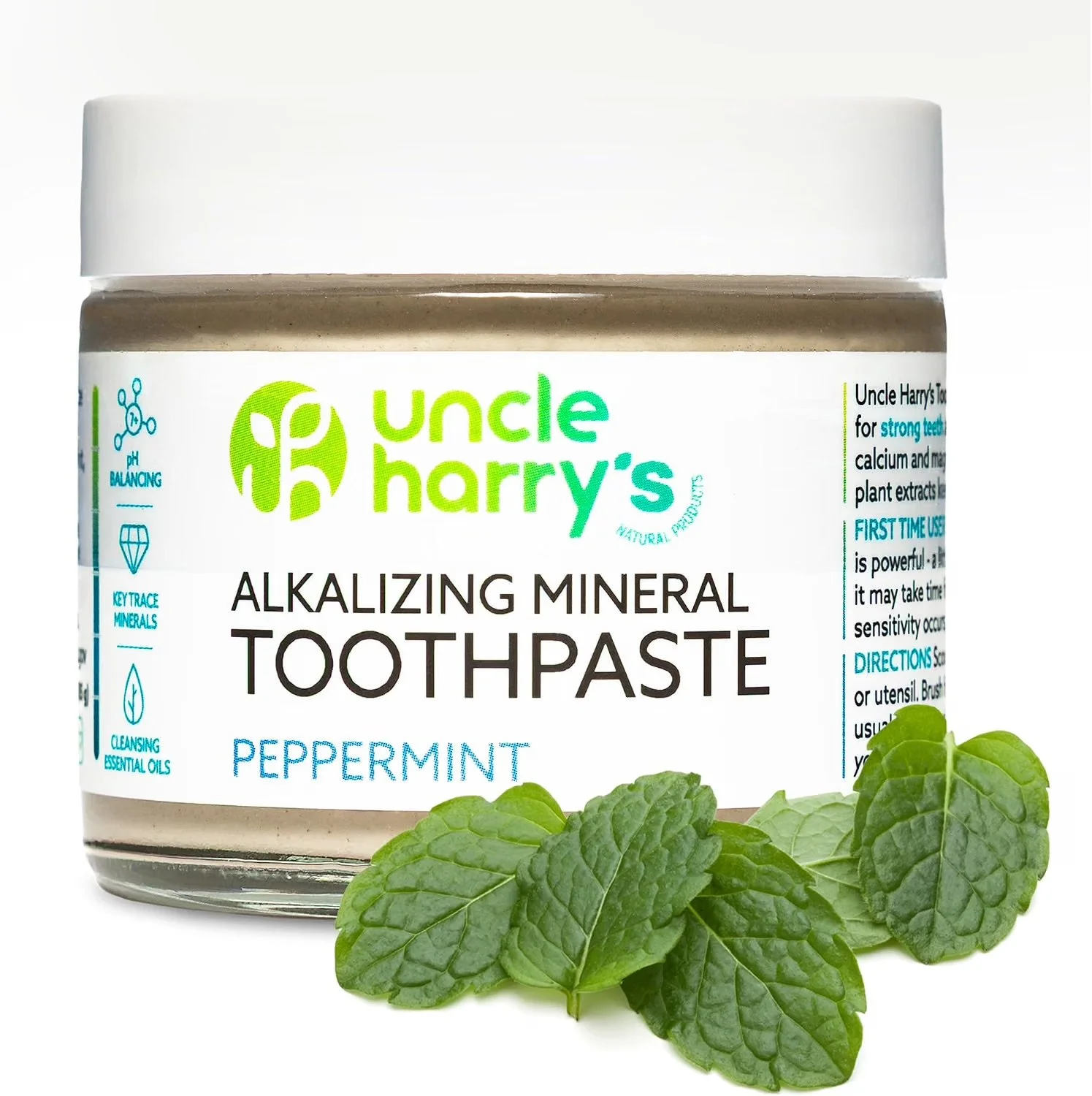
7. Uncle Harry's Remineralizing Toothpaste
Uncle Harry's is SLS free, gluten free, glycerin free, fluoride free, and vegan, which is a lot of free for one small tube. It skips baking soda too, if that is something you are avoiding, and leans on mineral clay, sea salt, and plant essences instead. Good option for a sensitive mouth that reacts to foaming agents.
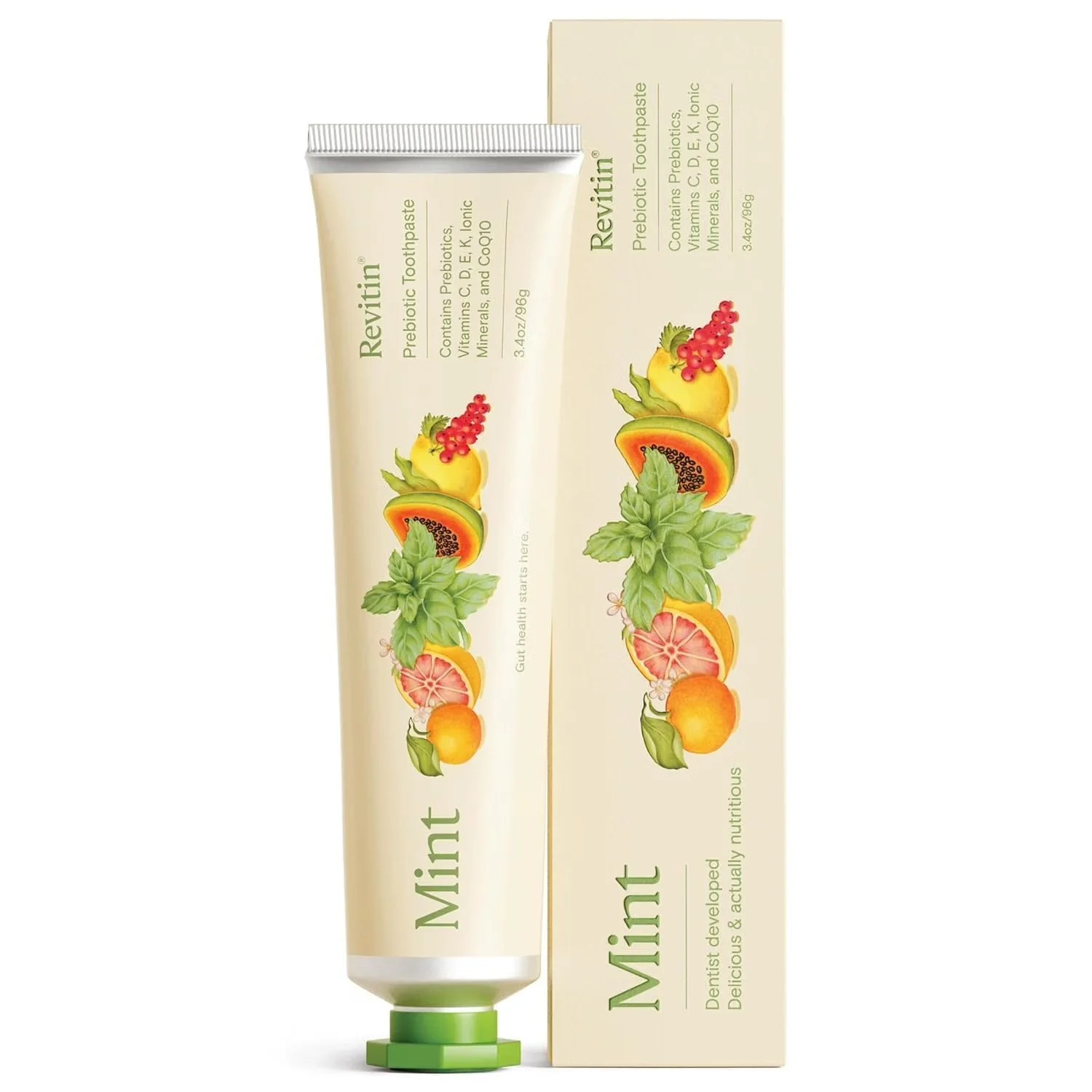
8. Revitin Prebiotic Toothpaste
Revitin takes a different approach than most of the others here. Instead of just removing ingredients, it is built around feeding the good bacteria in your mouth with prebiotics rather than sanitizing everything indiscriminately. If you already think about gut health in terms of feeding the right bacteria instead of nuking everything, this is the toothpaste version of that same philosophy.
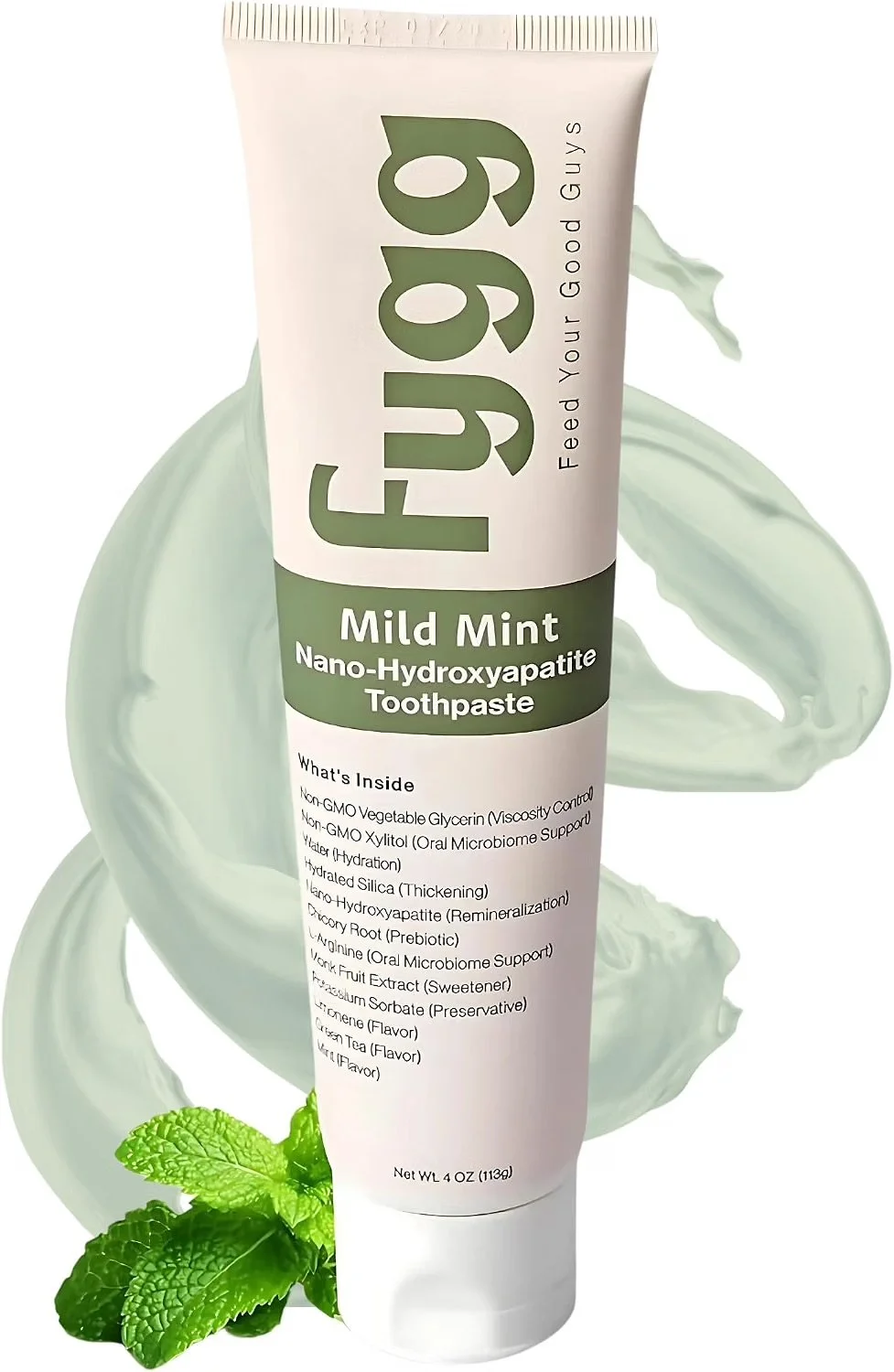
9. Fygg Toothpaste
Fygg combines nano hydroxyapatite with prebiotics in one formula, making it one of the more research forward options if you want remineralization and microbiome support without buying two separate products.
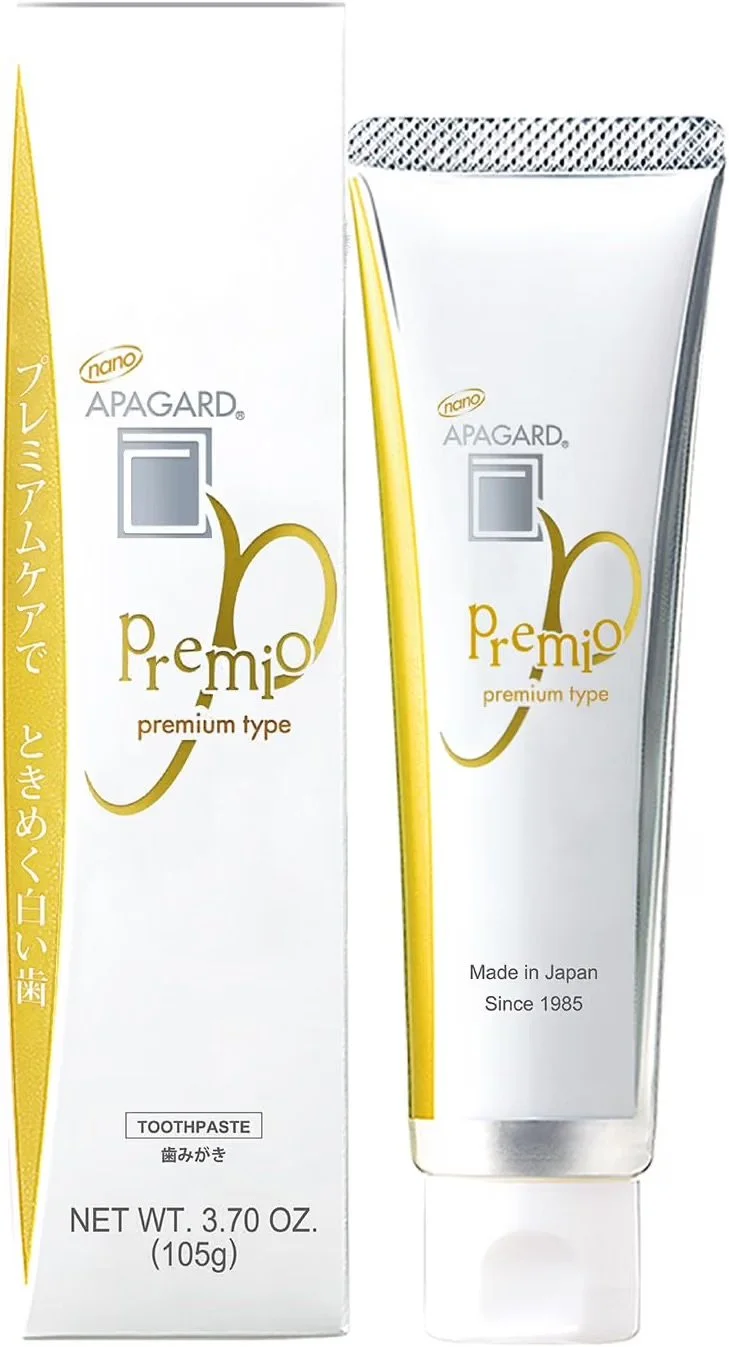
10. Apagard Premio
Apagard is the original. Japan approved hydroxyapatite as an anti cavity ingredient back in 1993, and Apagard has been the clinical reference point ever since. If you want the toothpaste with the longest track record behind the ingredient everyone else is now copying, this is it.
What Makes a Toothpaste Non Toxic
Non toxic is not a regulated term, so it helps to know what criteria are actually doing the work behind that label.
No Fluoride
Bottom line. It calcifies your pineal gland and there are better ways to preserve tooth enamel. Some people lean on an alternative like hydroxyapatite.
My friend Dr. Leedia, a holistic dentist, is public about where she lands on all of this. She champions hydroxyapatite for safe, swallowable remineralization, manuka honey for its natural antimicrobial action against the bacteria most responsible for decay, and baking soda to help balance the mouth's pH. She is just as vocal about what she tells patients to avoid: fluoride, sodium lauryl sulfate SLS, titanium dioxide used purely as a color filler, and artificial dyes and sweeteners that disrupt the bacterial balance in your mouth.
No Harsh Detergents
A toothpaste that foams aggressively is usually foaming because of a harsh detergent, most commonly sodium lauryl sulfate (SLS). Look for a gentler foaming agent, or a formula that skips foam altogether.
A Short, Recognizable Ingredient List
If you cannot pronounce most of what is in the tube, that is worth noticing. The best non toxic options tend to have ingredient lists you could read out loud without stumbling.
No Unnecessary Color Additives
Bright white toothpaste is white because of an additive, not because white is somehow cleaner. Artificial colors added purely for cosmetic appeal are one of the easiest ingredients to cut without losing anything functional.
What Are Non Toxic Toothpaste Ingredients To Look For…
Nano Hydroxyapatite: The synthetic version of the mineral that makes up most of your tooth enamel. It supports remineralization and is safe to swallow, which matters if you have kids brushing on their own.
Calcium Carbonate: A mild, naturally occurring abrasive that helps clean the tooth surface without being as harsh as some synthetic alternatives.
Xylitol: A natural sugar alcohol that helps discourage the bacteria responsible for cavities, and adds a touch of sweetness without feeding decay.
Manuka Honey: Prized for its antimicrobial properties, particularly against the bacteria most responsible for tooth decay.
Bentonite or Kaolin Clay: Mineral rich clays that gently draw out impurities and help balance pH in the mouth.
Baking Soda (Sodium Bicarbonate): Used to gently cleanse teeth and balance acidity, though some glycerin free formulas skip it if you are sensitive to the taste or texture.
What Toxic Ingredients In Toothpastes To Avoid?
Fluoride: Effective for many people, but plenty of people choose to avoid fluoride and lean on an alternative like hydroxyapatite instead, often citing concerns about systemic exposure.
Sodium Lauryl Sulfate (SLS): A harsh foaming agent that can strip the delicate tissue in your mouth and contribute to painful canker sores.
Titanium Dioxide: Used purely to make toothpaste look bright white. It adds nothing functional and some people prefer to avoid ingesting it daily.
Artificial Colors and Sweeteners: Dyes and sweeteners that can alter the bacterial balance you are actually trying to protect.
Glycerin: My personal one to avoid. It creates that familiar smooth paste texture, but I think of it as feeding the bad bacteria you are trying to starve out.
None of these formulas are going to be perfect for everyone, and what counts as non toxic really does come down to which criteria matter most to you. But between a shorter ingredient list, a real reason to avoid fluoride, and skipping unnecessary artificial colors, you end up with a toothpaste routine that is doing a lot less damage than most of what is sitting on a drugstore shelf.