
Meditation for Beginners
The Practice I Resisted Until I Couldn't Anymore
If someone tells you to meditate and your gut reaction is irritation rather than curiosity, welcome. My body does not drift toward stillness, it bucks against it. My cortisol spikes, my mind starts drafting to-do lists, every cell lobbies for movement. Which, infuriatingly, is usually the clearest sign I need to sit down and do precisely nothing.
Let's dispense with the myth that has kept more people from starting a meditation practice than any other misconception: you do not need to clear your mind or sit like a marble statue while your thoughts politely wait outside. That version of meditation does not exist.
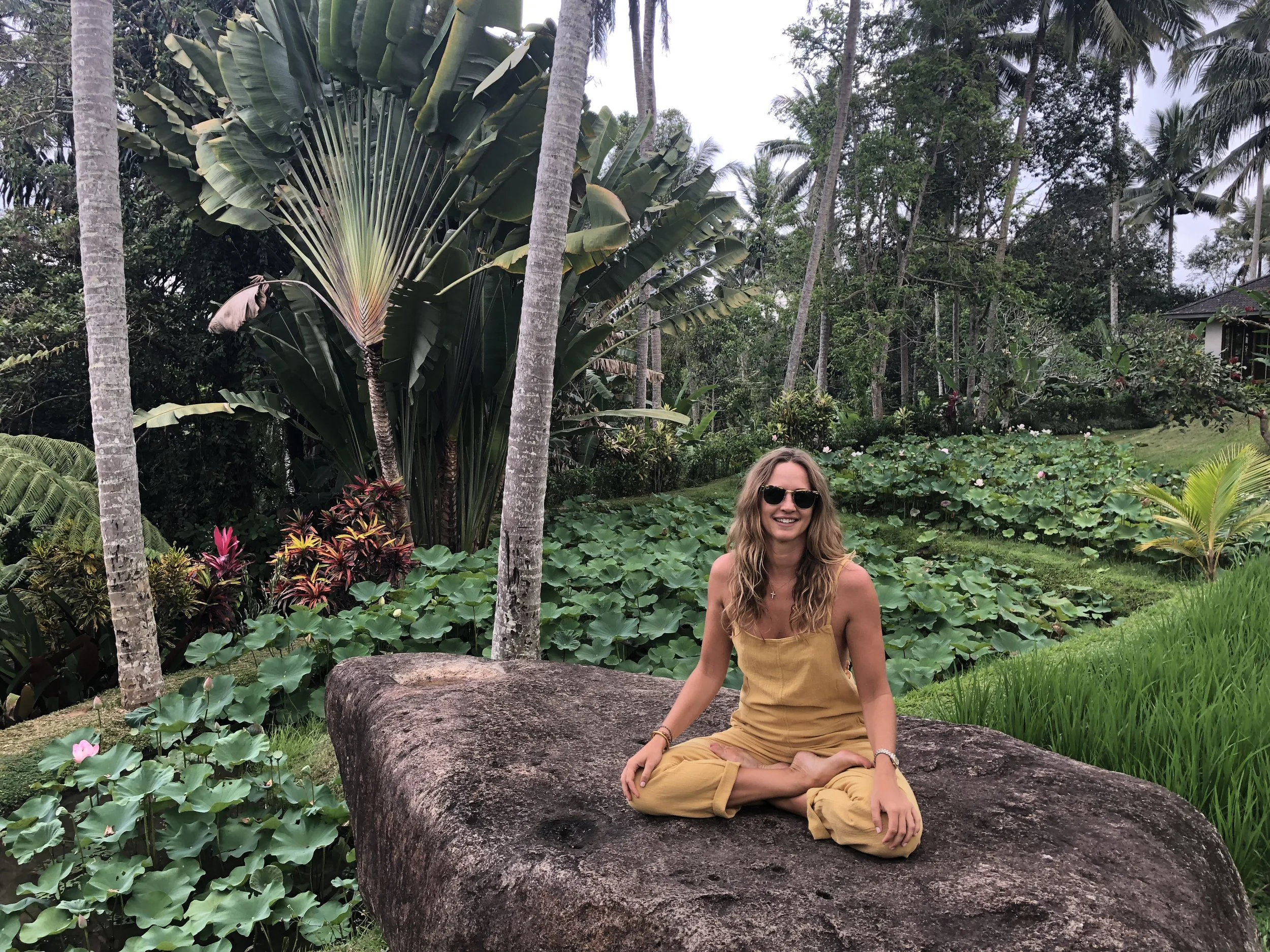
I first started meditating in a formal way in Bali, during my yoga teacher training. I thought, confidently, "sure, I can sit here." Ten minutes in, I was irritated, then bored, then my mind wandered somewhere entirely unrelated to enlightenment. We were told to simply watch the clouds go by and let thoughts pass the same way. I had the hardest time doing that. If you feel that same resistance, you are not doing it wrong, you are doing it exactly the way most beginners do it.
Years later, I did a Joe Dispenza retreat where we meditated for something like forty hours across a handful of days. By the end, I felt so grounded I told people I did not feel like myself without an hour of practice a day. Fast forward twelve months, and I had let it slip so completely I could barely sit still for five minutes. That is the honest truth: meditation is a muscle. You cannot do it once, walk away, and expect the benefits to stick. It is a daily practice, and it atrophies the moment you stop showing up.
I also studied Zen Buddhism, which changed how I relate to the whole practice. Zen tradition has a built-in relief valve: a long seated session gets broken up with walking meditation, so you are not expected to sit motionless for an hour straight. Those are my people. I also picked up their habit of meditating with my eyes half open instead of fully closed, which at first felt strange, but it was more calming than sitting in total darkness. Keeping a soft awareness of the room helps balance the internal world you're settling with the external world you still have to function in.
I want to set an honest expectation here: meditation is not a guaranteed fix for anxiety, insomnia, or a bad week. It is a practice that has genuinely helped me and countless others, and it tends to get easier, not effortless, the more consistently you show up.
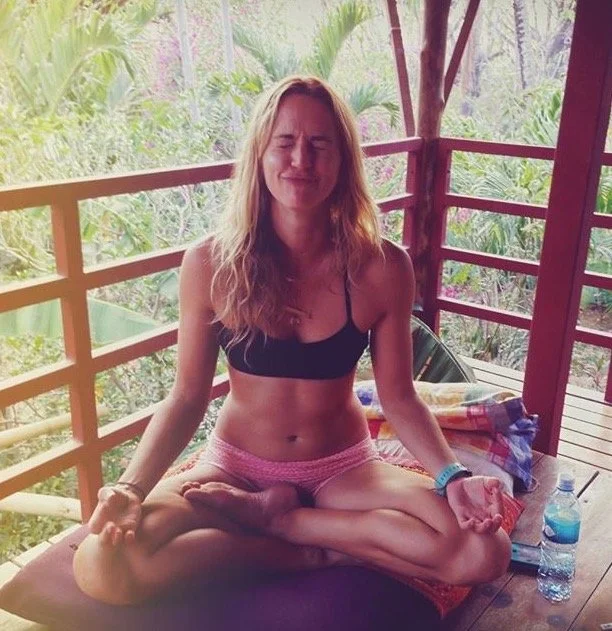
What Is Meditation for Beginners?
At its core, meditation is training your attention. It is not emptying your mind or stopping your thoughts, because thoughts don't stop, that's what a functioning brain does. You are practicing noticing when your attention has wandered and gently bringing it back. That's the entire skill.
Meditation does not require special equipment, a spiritual background, or a particular personality type. If you're already annoyed at the suggestion to meditate, you're probably the person who needs it most, because that reaction usually means your nervous system has been running hot for a while. It adapts to whatever lifestyle you already have: seated, lying down, walking, or five stolen minutes between meetings.
What Are the Benefits of Meditation?
The benefits people report most often fall into a few categories: less reactive stress, sharper focus, and steadier emotions. These are potential benefits based on consistent practice, not a guaranteed treatment or cure for any condition.
Less Stress
A regular meditation practice gives your nervous system repeated practice at downshifting out of fight-or-flight, so your body has a more familiar path back to baseline when an actual stressful moment arrives.
Better Focus
Because meditation is fundamentally an attention exercise, it tends to strengthen your ability to concentrate elsewhere in life. Every time you notice mind wandering during a session and redirect it, you reinforce the same mental circuitry you rely on for focused work.
Calmer Emotions
Detaching from your thoughts and your body, even briefly, is genuinely cathartic. It creates space between a feeling and your reaction to it, which is where self-reflection and self-awareness actually happen.
How to Meditate for Beginners
You do not need a complicated ritual to begin. Here is the simplest on-ramp into a meditation practice.
Step One: Pick a Time and Sit Down
Choose a moment that already exists in your routine, like right after waking or right before bed. Sit somewhere reasonably comfortable. You're not aiming for a perfect environment, just a consistent one.
Step Two: Set a Short Timer
Start with three minutes, not forty hours like my Dispenza retreat. Three minutes is enough to build the habit without your nervous system staging a full revolt.
Step Three: Anchor Your Attention
Pick something to return to, most commonly your breath. Some prefer a body scan, slowly moving attention head to toe. If sitting with eyes fully closed feels claustrophobic, try the Zen approach and keep them half open, resting a soft gaze a few feet ahead. And if stillness is the obstacle, walking meditation is a legitimate substitute, not a lesser version.
Step Four: Let Your Mind Wander, Then Return
Your mind will wander. That's not a failure, it's the entire practice. The moment you notice you've drifted, gently bring your attention back. That act of noticing and returning is the actual exercise.
Step Five: End Gently
When your timer goes off, take a breath before launching back into your day. You don't need to feel radically different after every meditation session. Some will feel profound, most will feel unremarkable, both are doing their job.
What You Need to Start Meditating
You do not need expensive equipment or a cushion imported from a monastery. Here is what actually helps.
A quiet spot where you're unlikely to be interrupted for a few minutes
A comfortable seat, whether a chair, the floor, or the edge of your bed
A guided meditation app for structure, especially when you don't want to go it alone. The Calm App is a great starting point for beginners — the guided meditations do a lot of the heavy lifting when you don't yet trust yourself to sit in silence.
A timer, so you're not checking the clock every ninety seconds
That's the entire list. Everything else is optional.
Tips for Making Meditation a Habit
Take these from someone who has fallen off the wagon more than once. Start small — five minutes you'll actually do beats forty minutes you'll avoid. Meditate at the same time each day if you can, since habits attach to existing routines far more reliably than to willpower alone. And be patient with mind wandering; it's evidence you're human, and that the practice is working as designed.
Treat your meditation practice the way you'd treat a workout class you've already paid for: something you show up to whether or not you feel like it. If you want another simple way to support your nervous system alongside meditation, I wrote about that here: what helps reset your nervous system.
Committing to that space, even briefly, is what turns meditation from a nice idea into an actual practice. You will not do it perfectly. Neither do I. But five minutes of showing up beats zero minutes of waiting until you feel ready.
You might also like this practical guide to understanding breathwork for beginners.