
How to Tan Safely
There's an undeniable appeal to a sun-kissed glow acquired the old-fashioned way. Last week I went for a walk with a friend of mine, and about a block in, she asked, "So are we doing no sunscreen, or what are your thoughts on this, Kate?" I had to break the news gently: she is blonde-haired, blue-eyed, and about as pale as it gets… her people were not lounging on the equator. Neither were mine. Biology does not negotiate.
Here's the part I want to be clear about first: sun exposure is not the enemy. Hospitals once wheeled patients' beds outside so they could soak in daylight. Heliotherapy was standard practice long before anyone had isolated vitamin D. When used consciously and in moderation, sun exposure genuinely benefits us. The problem is that most of us no longer live in a way that lets us accumulate that exposure gradually and safely. Add in the toxic load most of us carry from modern food and environment, and the result is that we have to be far more intentional about how, when, and how much sun we take in. Getting a tan and protecting your skin aren't automatically at odds, but leaning on tanning beds or unmoderated exposure as a shortcut isn't a risk-free way to do it. We can’t just say, the sun is good for you - and then go bake for a few hours.
So let’s go through a practical guide to understanding sun exposure, uv radiation, and how to approach tanning consciously rather than carelessly.
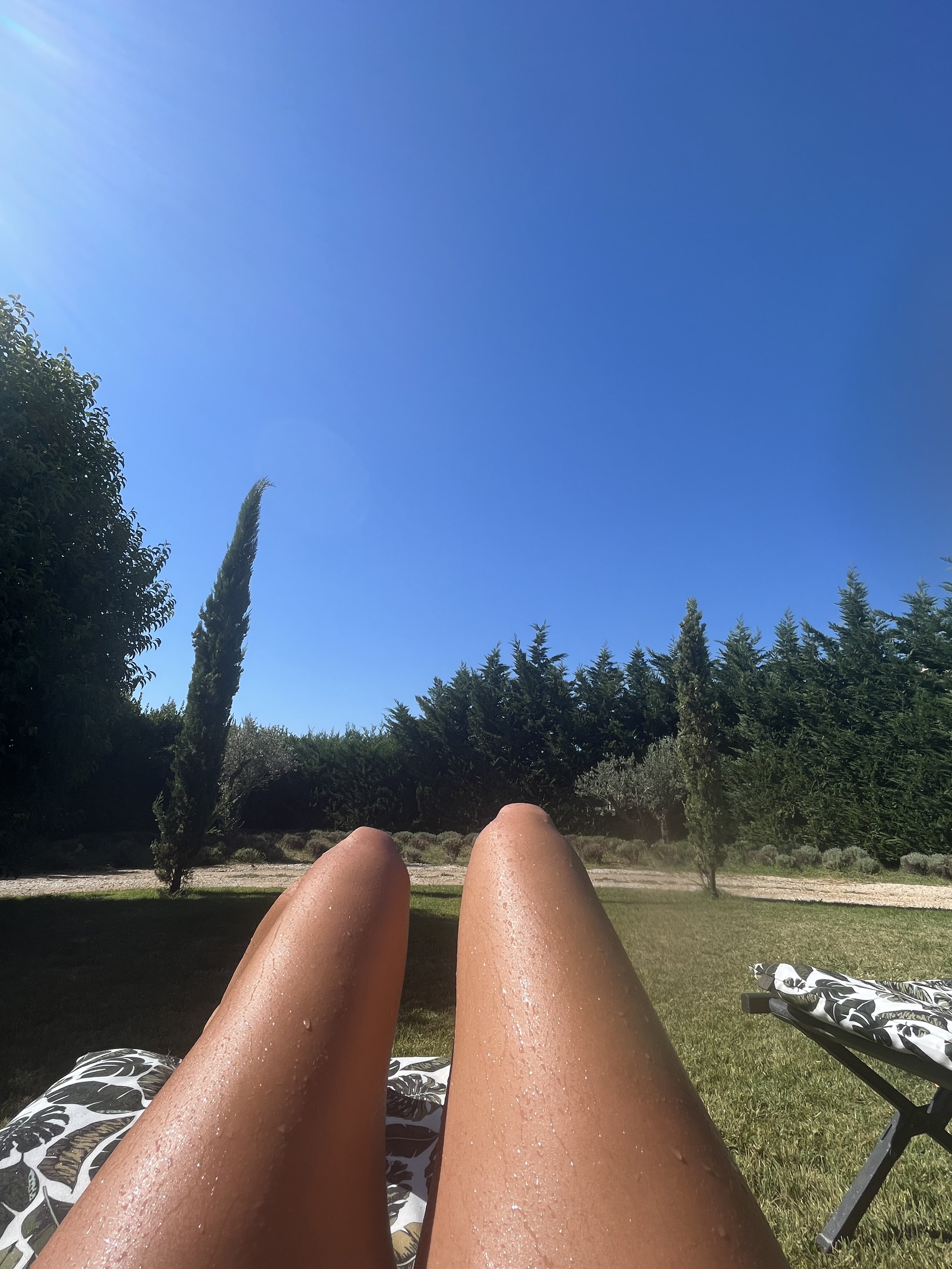
How to Tan Safely:
What You Need to Understand First
As someone with a biology degree and a former life as a pharmacy technician and radiation safety specialist, I'll say it plainly: there is no completely risk-free way to tan through UV exposure, even when the sun itself is doing great things for you. A tan, by definition, is your skin's response to stimulation, melanin rushing to the surface to defend itself against stress from uva rays and uvb rays. That's very different from a slow, seasonal buildup of color versus the compressed exposure that most of us default to on a single weekend at the pool.
So understanding the risks of uv radiation matters, because it shifts the conversation from "how do I get tan" to "how do I get the real benefits of sun exposure while minimizing the damage." Tanning safely matters because the effects are cumulative; the sun exposure you shrug off in your twenties has a habit of resurfacing decades later as sunspots or something more serious. There's a meaningful difference between reckless exposure and conscious, moderate exposure… let’s discuss…
Is Tanning Safe?
Short answer: it depends on how you're doing it. Moderate, conscious sun exposure has real upsides — vitamin D chief among them, plus mood, sleep regulation, and the general sense of fabulous well-being that comes from spending time outside, is unmatched. But tanning specifically, the deliberate pursuit of a darker shade through baby oil, a mirror, and concentrated UV exposure, is NOT a risk-free activity. Repeated UV exposure damages the skin at a cellular level, breaking down collagen and altering the DNA inside skin cells over time. Tanning beds are not a safer alternative to outdoor sun exposure, they can deliver concentrated uva rays more intensely than an afternoon outside ever would.
So, if your goal is a bronzed look with genuinely zero UV risk, I would aim for gradual and consistent, measured exposure.
People will say spray tans exist for exactly this reason, but I think that anything that STAINS your skin (and smells like THAT) is a bad idea.
What Are The Effects Of Tanning On Skin?
Premature Skin Aging
Repeated tanning breaks down collagen and elastin, the proteins that keep skin firm. Over years, this shows up as fine lines, leathery texture, and a loss of elasticity that no serum can fully undo.
I ALWAYS cover my face, neck, and chest. Because also keep in mind… when the collagen on your neck and chest break down… those things are what is holding up your bubbies. Sooo we don’t need that area getting lax.
Sunburn and Inflammation
The most immediate, honest signal your skin can send. Redness, heat, and peeling mean your skin has taken on more UV radiation than it can safely process — a sign the damage has already outpaced whatever bronze you were hoping for. NOT THE GOAL.
Hyperpigmentation and Sunspots
This is uneven pigmentation and sunspots that result from melanin production going into overdrive, in some areas more than others, and they grow more stubborn the more sun exposure accumulates behind them. This is also a direct result of gut inflammation. So focus on Eating Right for Your Blood Type and using the strongest vitamin C that you can- both internally and externally.
Increased Risk of Skin Cancer
Cumulative UV exposure is directly linked to skin cancer, including basal cell carcinoma and squamous cell carcinoma, the two most common forms, along with melanoma, the most serious. This risk applies across skin tones, darker skin carries more natural melanin and somewhat lower relative risk, but it is not immunity, and skin cancer in people with darker skin is often diagnosed later, with worsening outcomes. A new or changing spot is a conversation for a dermatologist, not a search engine.

How To Safely Tan
Apply Broad Spectrum Sunscreen Correctly
Non-negotiable — yes, wear ZINC sunscreen on your face even on cloudy days. Zinc is a broad spectrum sunscreen that protects against both uva and uvb rays, and most people apply far less than needed. Apply sunscreen generously, reapply every two hours. You can still tan gradually while wearing sunscreen; it just happens slower, with far less damage the skin has to recover from. I don’t like titanium (heavy metal) or chemical sunscreens, I believe that they do more harm than good.
That said, when I surf or know I’m going to be outside and exposed for long periods of time, I paint my face like a geisha with the highest amount of zinc that I can find. Chemicals- who cares. I think a short bout of that awesome protection, followed by non-toxic skincare products, clean food, and clean water, is a balancing act that I’m willing to do.
Limit Direct Exposure Time
Keep intentional exposure brief. Short windows outside, preferable in the morning, less at the peak midday hours, will let color develop gradually without overwhelming your skin. Treat exposure like sips of water, rather than a keg-stand.
Wear Protective Clothing
Wide-brimmed hats and protective clothing are the least glamorous, most effective tools here. Covering the areas most prone to sun damage, which are the face, chest, shoulders, while allowing incidental exposure elsewhere is a reasonable middle ground.
I love my wide-brimmed visors. I get sun on my hair, not my face. Then I usually wrap a sarong around my neck, chest, and shoulders.
Skip the Tanning Beds Entirely
There is no version of tanning beds that qualifies as a safer choice. The concentrated UV exposure they deliver has been linked to significantly elevated skin cancer risk.
Know Your Skin Type
Sun protective habits should be personalized. Fair skin, light eyes, or a family history of skin cancer means a smaller margin for unprotected exposure than someone with darker skin and higher baseline melanin. Knowing where you fall is about accurate information, not guesswork.
None of this is meant to talk you out of the sun… quite the opposite. I spent thirteen years traveling the world chasing waves, and I firmly believe daylight is one of the most underrated tools we have for feeling well. The goal is to give sun exposure the same intentionality we're finally giving our food and environment, so the benefits win out over the damage.
If you're planning a day by the water, my post on things to do at the beach, and for more on staying well through the warmer months, check out my summer wellness tips.
As always, this post is meant to support your understanding of sun exposure and skin health, not replace guidance from a dermatologist or physician who can evaluate your individual skin, history, and risk factors directly.